
Managing Chafer Grubs & Lawn Health on the Sunshine Coast


European chafer is an introduced turf pest now well established across coastal BC. The grubs feed on grass roots and attract predators such as crows, skunks and raccoons that can cause additional lawn damage.
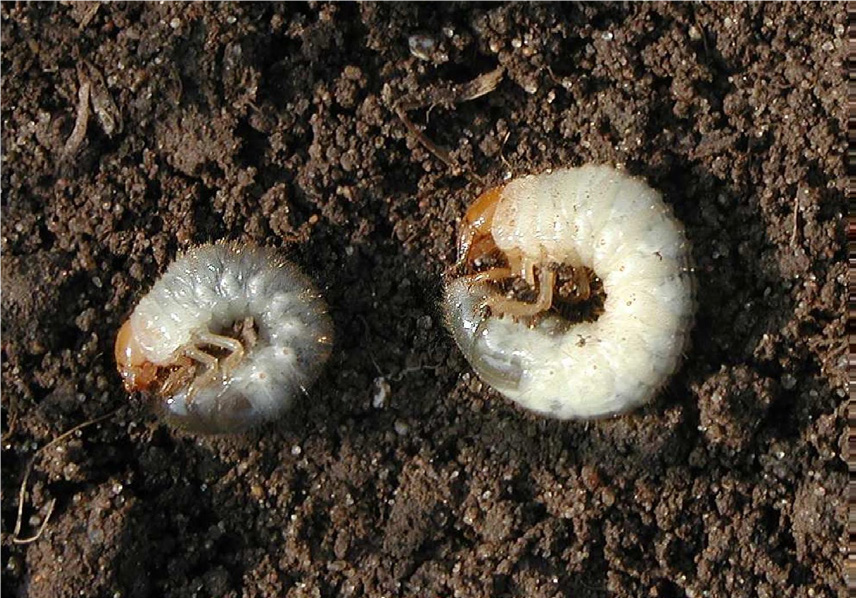
Lifecycle
European chafer has an annual life cycle that is worth understanding in an attempt to control it:
June–July: Adults emerge, mate and lay eggs
Late July–August: Eggs hatch; small grubs begin feeding (ideal treatment window)
September–October: Heavy root feeding; most visible lawn damage occurs
Winter: Grubs move deeper into soil to overwinter
March–April: Brief final feeding
May: Pupation (2–3 weeks), then adults emerge, cycle repeats
Signs You Might Have Chafer Grubs
Brown, thinning, or spongy turf patches in your lawn
Lawn pulls up easily, revealing grubs underneath
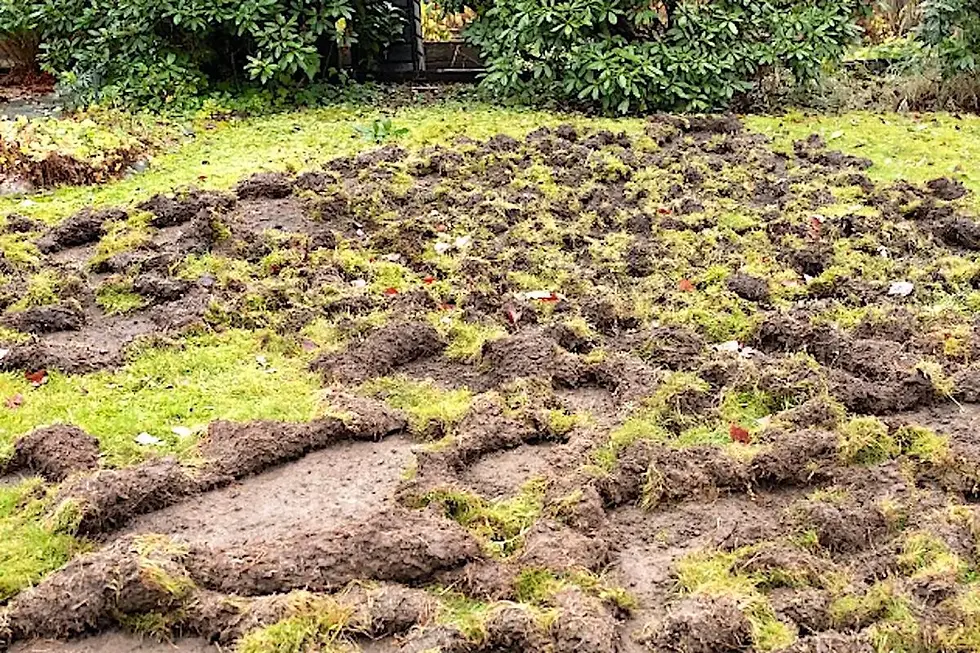
Crows, skunks or raccoons digging — they’re actually eating grubs!
Treatments
Option 1: Nematodes
Microscopic, eco-friendly worms used to kill lawn grubs by invading and parasiting them.
Apply late July–mid August to target newly hatched grubs. Water before and after application and apply in the evening or on cloudy days. Safe for pets, kids and wildlife.
Option 2: Grub B Gon® MAX Grub Killer
Contains Bacillus thuringiensis galleriae (Btg), a naturally occurring soil bacterium that targets grubs.
May be applied in spring to target overwintering grubs once soil has thawed, though effectiveness is generally higher in late July–early August when larvae are small and near the surface. In high-pressure areas, a second application 10–14 days later may improve results. Low risk when used as directed.
Maintaining a Healthy Lawn
A healthy lawn is the best defence against chafer beetles. Most infestations are less severe in strong, well-maintained turf.
Lime
Coastal soils are often more acidic than grass prefers. Apply prilled dolomite lime, such as Nurseryland Dolopril, to improve pH and reduce moss growth in your lawn.
Aerate
Healthy, vigorous growth happens when air is able to penetrate into the root zone. Core aerate once a year (spring or fall) to reduce compaction. Topdress afterward with B&K Turf & Top Dressing.
Fertilize
Feed in spring once soil temperatures reach about 12°C, with a higher-nitrogen fertilizer such as Nurseryland Premium Lawn Food 31-0-6, to promote healthy green growth. In summer, a lighter boost like Nurseryland Liquid Lawn Fertilizer 15-2-3 can help maintain colour. Feed again in early fall using Nurseryland Fall Lawn Food 6-9-18 to strengthen roots and improve winter hardiness.
Mowing
Keep grass around 3” tall rather than clipping it short. Taller turf supports stronger roots and may discourage egg-laying.
Overseeding
Most lawns on the Sunshine Coast are a mix of cool-season grasses. When overseeding, choose a blend suited to your site conditions (sun, shade, moisture, wear). Consider Nurseryland Overseeder for an attractive dark green colour and great durability or, for many properties, a versatile sun-shade blend like Nurseryland Shady Lawn works well and helps minimize patchy colour differences when overseeding into an existing lawn.
Choosing the Right Grass Seed
If chafer damage has been an issue, consider blends higher in turf-type tall fescue, which is deeper rooted and more resilient in drought and stress conditions. While no grass is chafer-proof, fescue-based lawns often recover better from damage. B&K carries a Chafer/Grub Resistant Blend and Tall Fescue seed from West Coast Seeds, as well as microclover, which can be used on its own or overseeded into existing turf. Microclover is a small-leafed clover that does not produce significant thatch and helps improve lawn density, reduce nitrogen fertilizer needs, and increase drought tolerance.
Please note that the Chafer/Grub Resistant Blend establishes best when seeding a new lawn or fully renovated area, as it does not compete well with dense, established turf during overseeding.
Lawn Alternatives
Another option is to consider reducing lawn space and incorporating lower-maintenance alternatives such as native groundcovers (salal, kinnikinnick, ferns), ornamental grasses, pollinator meadows, or creating drought-tolerant or Mediterranean-style gardens with mulch or gravel. Structured shrub beds and edible landscapes can also replace turf while adding seasonal interest and habitat value.
For areas where a natural lawn isn’t practical, we can also special order artificial grass as a low-maintenance option.
Please speak with our team about solutions suited to your property and lifestyle. We are here to help!


Comments